Drug Possession Charges in Florida: What You Need to Know
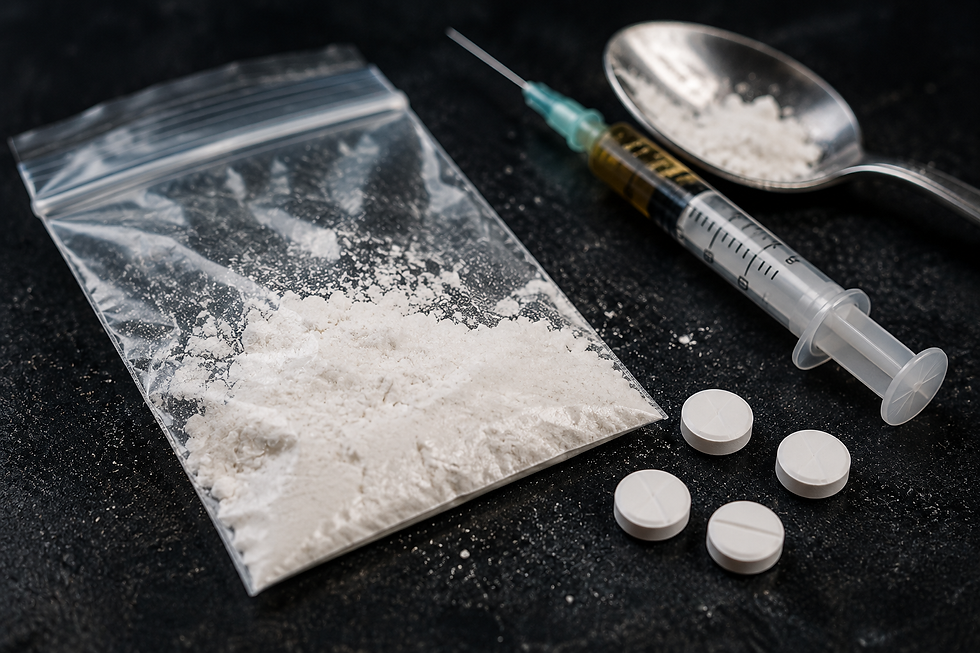
Florida has some of the strictest drug laws in the country, and even a small amount of a controlled substance can lead to serious criminal charges. Understanding how these cases work is the first step in building a defense.
Simple Possession vs. Possession With Intent to Sell
Simple possession involves having a controlled substance for personal use. Possession with intent to distribute or sell is a more serious charge and is often based on factors like quantity, packaging, the presence of scales or cash, or witness statements. Prosecutors sometimes overcharge based on circumstantial evidence.
How Florida Classifies Controlled Substances
Florida law organizes controlled substances into schedules based on their potential for abuse and accepted medical use. The classification and quantity involved directly affect whether a charge is a misdemeanor or a felony, and how severe the potential penalties are.
Felony vs. Misdemeanor Drug Charges
Possession of small amounts of marijuana (20 grams or less) is typically a misdemeanor, while possession of cocaine, methamphetamine, heroin, or prescription drugs without a valid prescription is generally charged as a third-degree felony, even for a small amount.
Possible Defenses in a Drug Case
Unlawful search and seizure during the traffic stop or arrest
Lack of actual knowledge or control over the substance
Chain of custody issues with lab testing
Valid prescription or medical justification
Eligibility for pretrial diversion or drug court programs
Diversion Programs May Be Available
Depending on the county and your criminal history, first-time offenders may qualify for a pretrial intervention or drug court program that can lead to reduced charges or a clean record upon successful completion.
Facing charges in Hillsborough, Pinellas, Pasco, or Polk County? Attorney Erica Irizarry offers free consultations and is ready to review your case. Call (813) 509-6075 or reach out online today.
This article is for informational purposes only and is not legal advice. No attorney-client relationship is formed by reading this post.


Comments